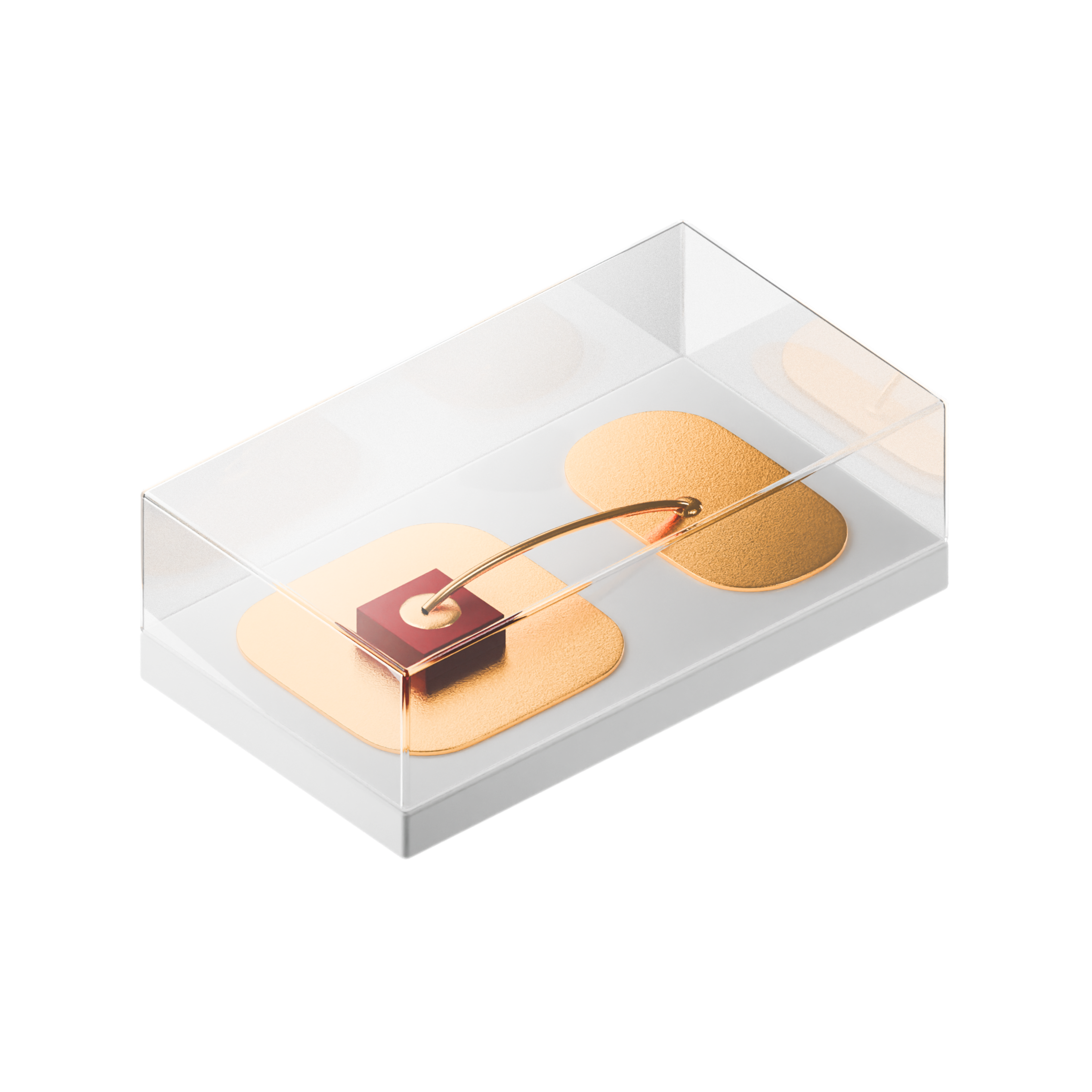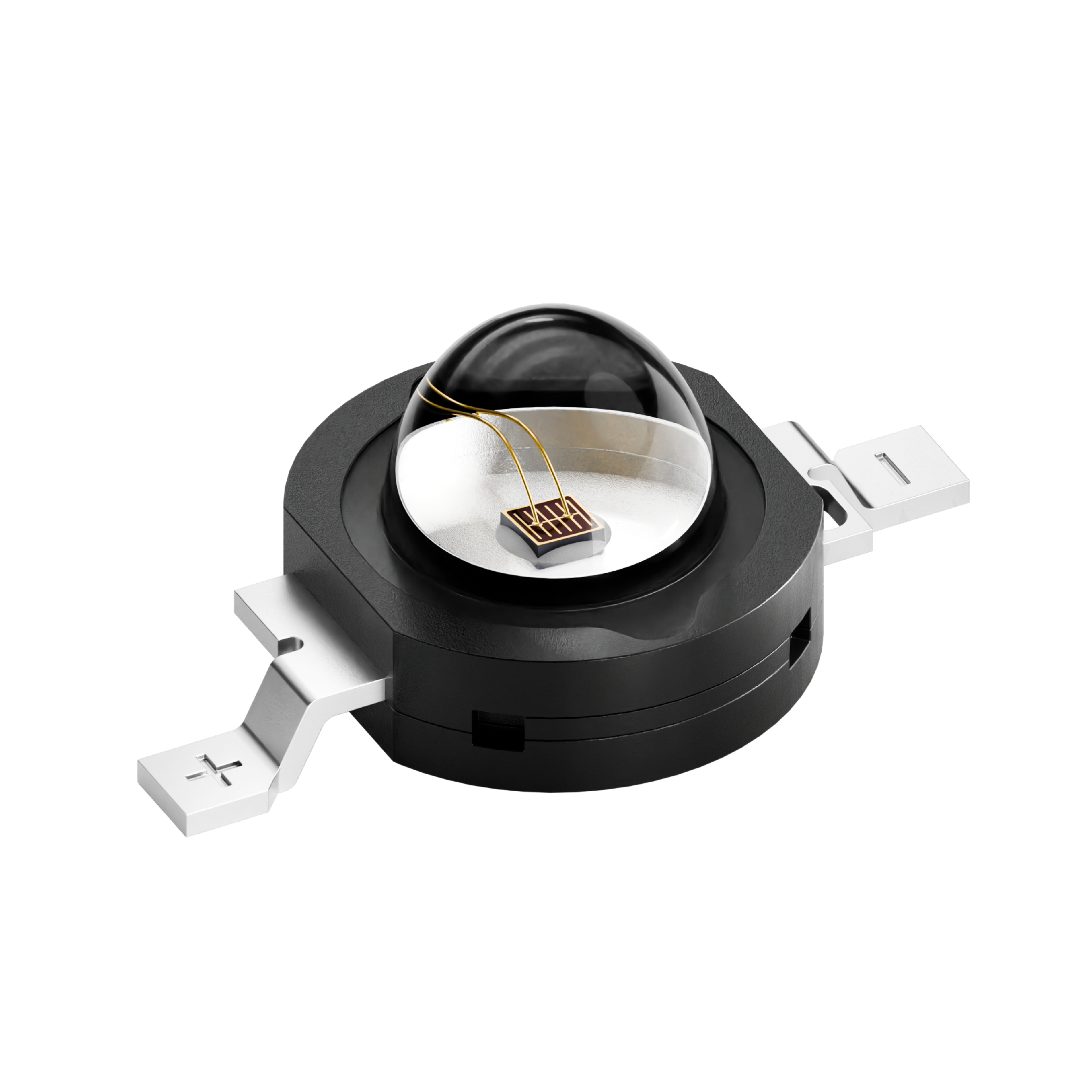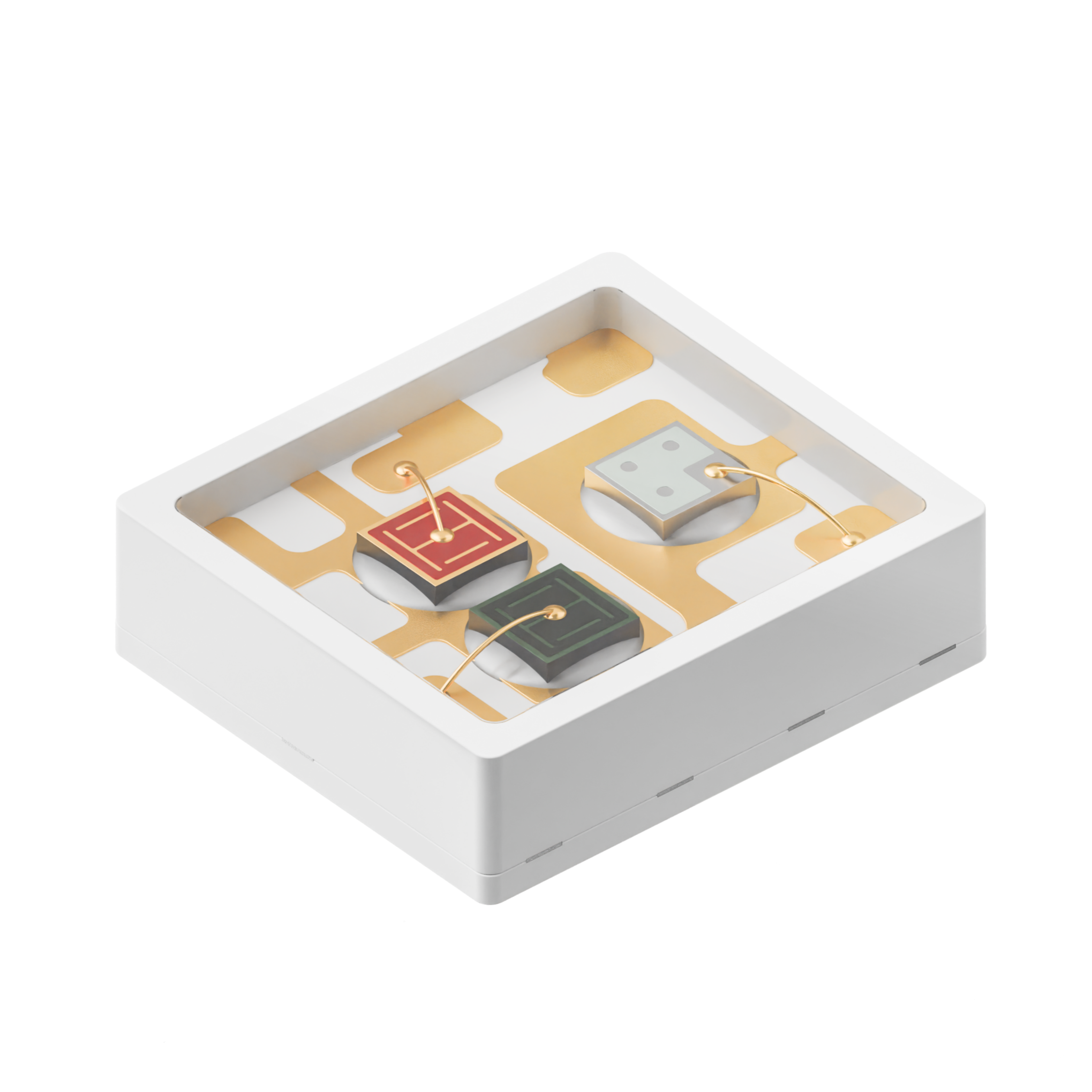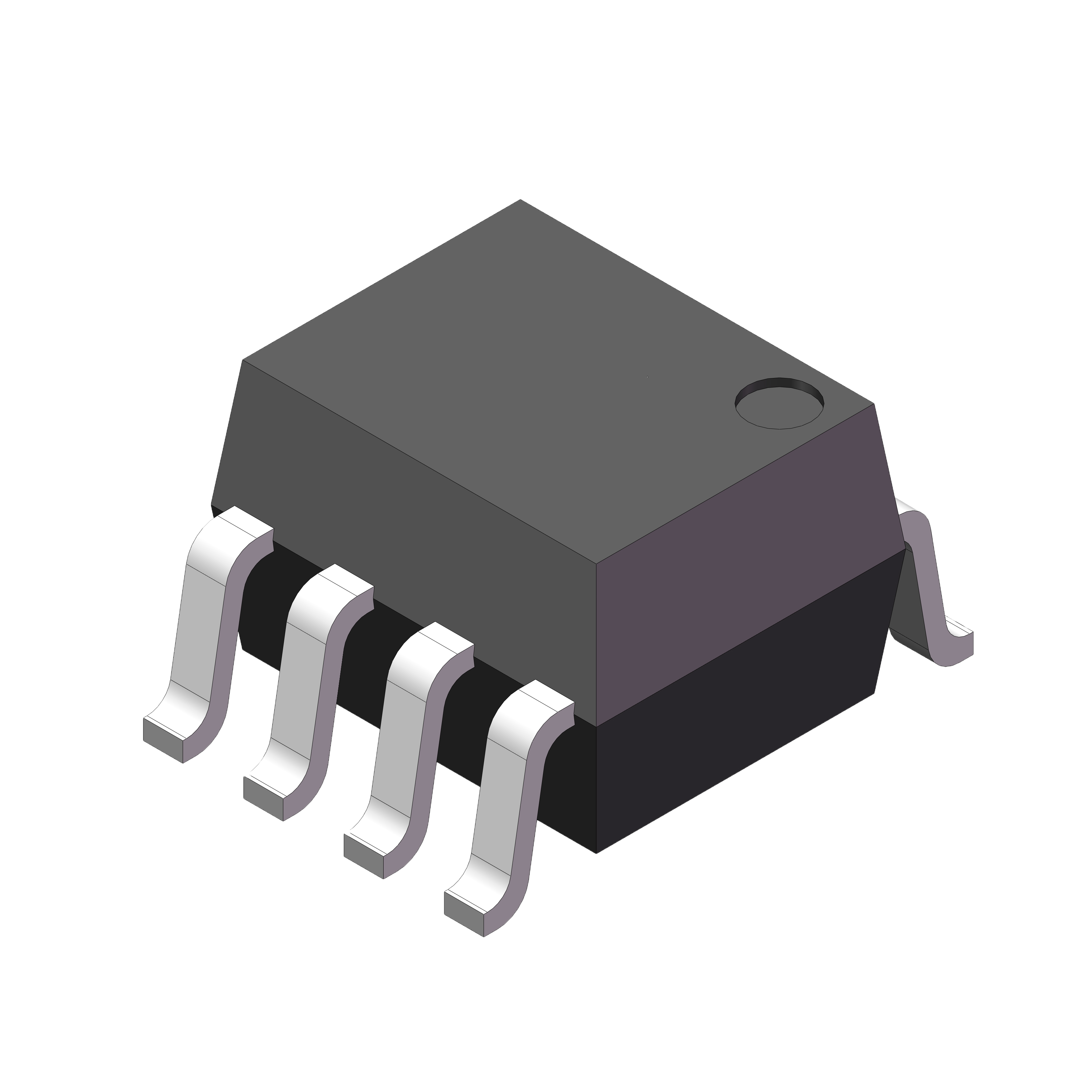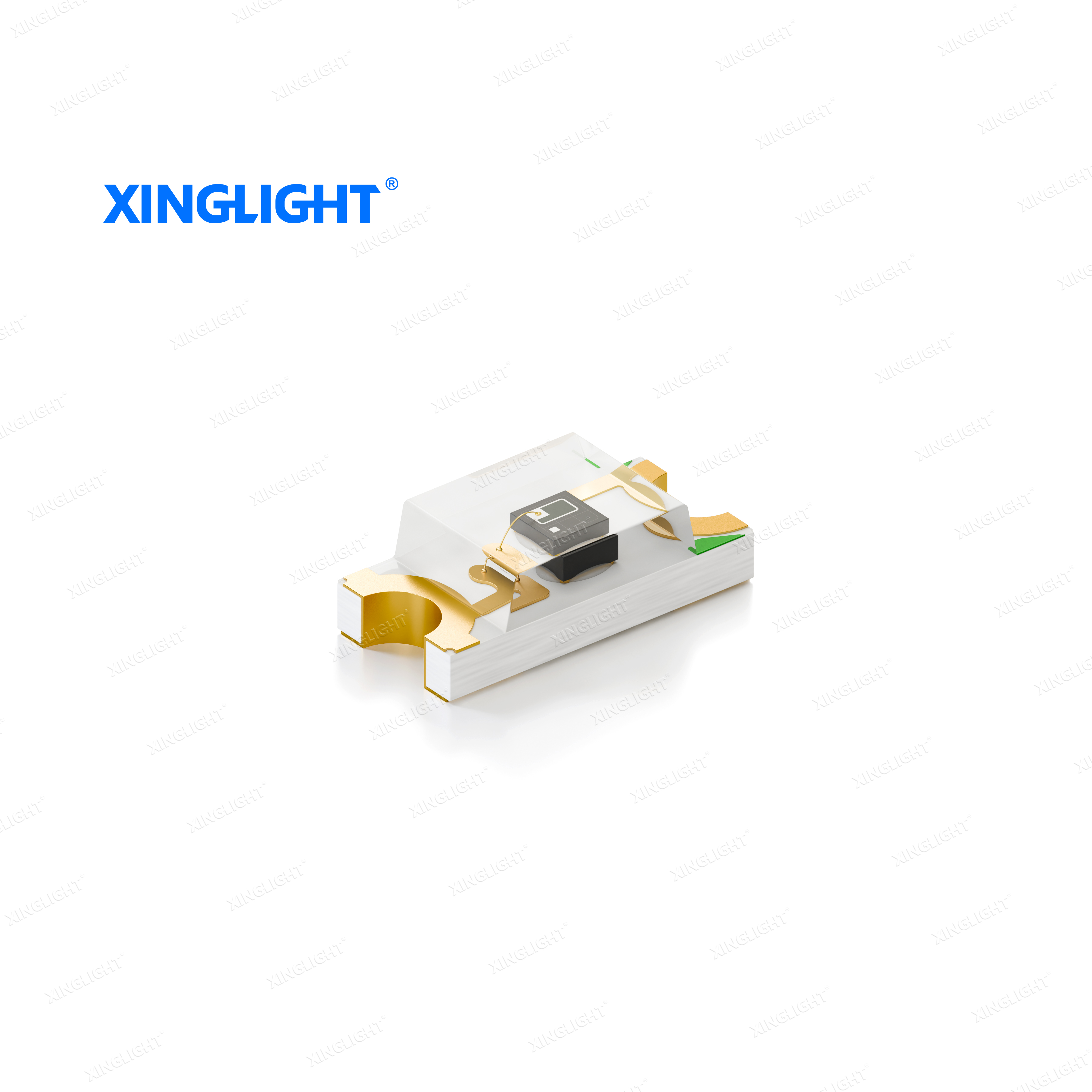
The XL-IR15-21CTR is a small power infrared LED in a 3215 package (3.2×1.5×1.0mm) with a peak wavelength of 940nm (near-infrared, completely invisible, no red glow), and it uses transparent epoxy. This device is a low-power infrared LED with a maximum continuous operating current of only 65mA, a typical radiant intensity of 1.25mW/Sr (@20mA), and a beam angle of 125° (wide angle, good for covering large areas). It’s suitable for SMT reflow soldering, meets RoHS standards, has a moisture sensitivity level of MSL 3, and is an ideal low-cost light source for short-range applications like IR remote controls, photoelectric switches, and smart sensors.
Optical Performance:
Peak Wavelength (λp): 940nm (near-infrared, completely invisible, no red glow)
Radiant Intensity (Ie): 0.75~2.28mW/Sr (@20mA, typical 1.25mW/Sr, see datasheet for binning details)
Viewing Angle (2θ1/2): 125° (wide angle, suitable for large-area coverage)
Half-Width (Δλ): 45nm (relatively wide spectrum, large tolerance with receiver tube)
Electrical Parameters (Ta=25℃):
Power Consumption (Pd): 100mW (low-power type)
Maximum Continuous Forward Current (IF): 65mA
Forward Pulse Current (IFP): 260mA (pulse width ≤0.1ms, duty cycle ≤1/10)
Forward Voltage (VF): 1.2~1.5V (@20mA, typical 1.2V)
Reverse Current (IR): ≤10μA (VR=5V)
Environment & Reliability:
Operating Temperature: -20℃~85℃
Storage Temperature: -40℃~85℃
Soldering Conditions: Reflow soldering 260℃ ≤6s, manual soldering 300℃ ≤3s
Passed 1000-hour operation, high temperature & humidity, and thermal cycling reliability tests (see page 7 of the datasheet)
Supports binning for radiant intensity, voltage, and wavelength, convenient for batch selection
Others:
EIA standard tape-and-reel packaging, suitable for high-speed SMT assembly
Moisture-proof and anti-static sealed packaging, recommended to use within 7 days after opening
Medical Equipment: Infrared sensing, blood oxygen detection, and other features in medical instruments.
Infrared Remote Controls: Smart home devices, TV and air conditioner remotes (940nm is the mainstream wavelength for remotes).
Surveillance Cameras: Night vision lighting (no red glare, highly discreet, but lower power, suitable for close range).
Industrial Control: Counters, smart meters.
Infrared Photoelectric Switches: Object detection, position sensing, light barriers (wide angle suitable for large area detection).
Wireless Communication and Signal Transmission: Short-range infrared communication links.
Smart Cars/Robots: Obstacle avoidance, tracking, distance detection (wide angle suitable for multi-direction detection).